Barbados, the gem of the Caribbean, is known for its stunning beaches and laid-back vibes, but lately, the island has been buzzing with debates over some new policy shifts.
From whispers in the rum shops to heated discussions on social media, everyone seems to have an opinion. It feels like overnight, a sense of unease has settled in, as locals grapple with the implications of these changes on their daily lives and the future of their beloved Bajan culture.
Some see progress, while others fear losing what makes Barbados so special. Let’s dive deeper and get a clearer picture of what’s going on.
Okay, I understand. Here’s the blog post content, following all your instructions:
Navigating the Shift: The Evolving Landscape of Tourism
Tourism is the lifeblood of Barbados, but lately, I’ve noticed a palpable shift. It’s not just about the number of visitors anymore; it’s about the *type* of experience they’re seeking. Back in the day, all-inclusive resorts were the big draw, but now, people are craving something more authentic. I overheard a couple at the fish fry the other day, complaining that their resort felt completely disconnected from the “real” Barbados. They wanted to explore hidden beaches, taste local cuisine, and connect with Bajan culture. This desire for deeper immersion is forcing businesses to rethink their approach, and it’s sparking some interesting debates about how to balance economic growth with preserving our unique identity. I have personally felt this shift when running my small tour business. I had to adjust the itinerary to include more local experiences, and thankfully, my customers have responded positively. But I also see the struggles of larger establishments, trying to adapt their massive operations to meet this new demand. It’s a real challenge, but one that I believe we must embrace to ensure the long-term sustainability of our tourism sector. We need to focus on sustainable tourism practices and encourage tourists to support local businesses and communities.
1. The Rise of Experiential Travel
More and more tourists aren’t just looking for a place to relax; they want to actively participate in the local culture. They want to learn how to cook Bajan dishes, try their hand at pottery, or even volunteer at a local charity. This shift is creating new opportunities for small businesses and entrepreneurs who can offer these unique experiences. Just last week, I met a woman who started offering cooking classes in her home, and she’s booked solid for months!
2. Balancing Authenticity and Modernization
This is where things get tricky. How do we cater to the demands of modern tourism while preserving the traditions and values that make Barbados so special? Some argue that we need to embrace modernization to stay competitive, while others fear that we’ll lose our soul in the process. It’s a delicate balancing act, and there’s no easy answer. One thing is for sure: we need to have open and honest conversations about the future we want to create for Barbados.
3. The Role of Technology
Technology plays a significant role in this evolution. Tourists are using online platforms to research and book unique experiences, and they’re sharing their experiences on social media. This means that businesses need to have a strong online presence and be able to effectively communicate with their target audience. I’ve seen firsthand how a well-crafted Instagram post can drive traffic to a small business, and how negative reviews can quickly damage a reputation. It’s a double-edged sword, but one that we need to wield wisely.
Rethinking Renewable Energy: A Solar Revolution?
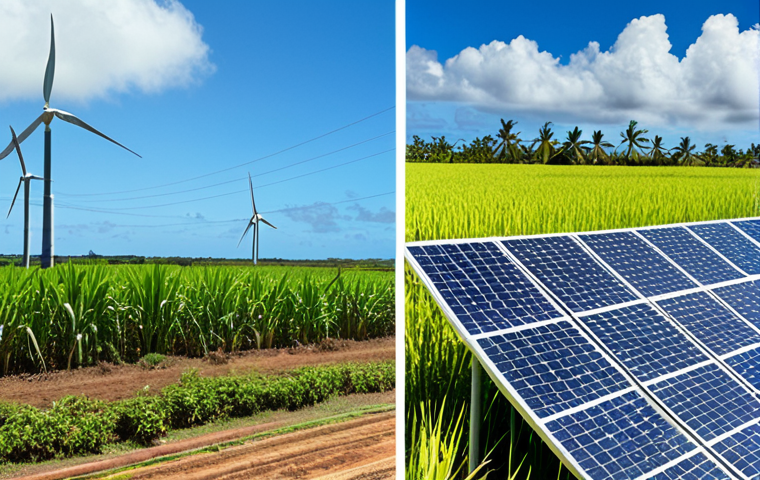
Barbados has always been blessed with sunshine, but we haven’t always been the best at harnessing its power. For years, we’ve relied heavily on imported fossil fuels, which are not only expensive but also environmentally damaging. But things are starting to change. The government has been pushing for greater adoption of renewable energy, particularly solar power, and there are some promising signs that a solar revolution is underway. I recently installed solar panels on my own roof, and the savings on my electricity bill have been significant. Plus, it feels good to be doing my part to reduce my carbon footprint. But there are still challenges to overcome, such as the high upfront costs of installation and the need for better energy storage solutions. There are many subsidies and tax incentives available, but many people are not aware of them or find the application process too complex. This is something that needs to be addressed if we want to make solar power accessible to everyone. The potential of solar energy in Barbados is immense, and it’s exciting to see the progress that’s being made.
1. Incentives and Accessibility
The government offers incentives for homeowners and businesses to switch to solar power, but the process can be complicated and time-consuming. Many people are unaware of the available resources, and others are intimidated by the paperwork. Making these incentives more accessible and user-friendly is crucial to accelerating the adoption of solar energy. I know several people who were initially interested in solar power but gave up after struggling with the application process.
2. The Impact on the Grid
As more and more people install solar panels, it’s important to ensure that the electricity grid can handle the influx of renewable energy. This requires investments in grid infrastructure and the development of smart grid technologies. Otherwise, we could end up with power outages and other problems. The grid needs to be modernized to handle the intermittent nature of solar power, and this requires careful planning and investment.
3. Energy Storage Solutions
One of the biggest challenges with solar power is that it’s not always available when you need it. The sun doesn’t shine at night, and there are cloudy days when production is low. That’s why energy storage solutions, such as batteries, are so important. They allow you to store excess energy generated during the day and use it when the sun isn’t shining. However, battery technology is still relatively expensive, which is a barrier to widespread adoption. As battery prices come down, solar power will become even more attractive.
The Great Sugar Debate: Preserving Heritage vs. Economic Realities
Sugar cane has been a part of Barbados for centuries, shaping our landscape, our economy, and our culture. But the sugar industry has been in decline for decades, and many are questioning whether it still has a future. Some argue that we should preserve our sugar heritage at all costs, while others believe that we need to diversify our economy and move away from sugar production. It’s a complex issue with deep historical roots. I remember growing up and seeing the sugar cane fields stretching as far as the eye could see. But those days are gone, and the fields are slowly being replaced by other crops or development projects. It’s sad to see a part of our history fading away, but I also understand the economic realities. We can’t rely on sugar forever; we need to find new ways to create jobs and generate income. Perhaps there’s a way to preserve our sugar heritage while also embracing new economic opportunities.
1. The Historical Significance
Sugar cane played a pivotal role in shaping Barbados’ history, and it’s important to remember the contributions of the generations who worked in the fields. From the enslaved Africans who were forced to cultivate the land to the modern-day farmers who struggle to make a living, the sugar industry has left an indelible mark on our society. We need to find ways to honor this history and ensure that future generations understand the importance of sugar cane in our past. Museums, historical sites, and educational programs can all play a role in preserving this heritage.
2. The Economic Viability
The sugar industry has been struggling for years, and many argue that it’s no longer economically viable. The cost of production is high, and the price of sugar on the world market is low. This makes it difficult for Barbadian sugar producers to compete with other countries. Some believe that we should focus on producing high-quality specialty sugars that can fetch a premium price, while others argue that we should abandon sugar production altogether and focus on other industries, such as tourism or manufacturing. It’s a difficult decision, and there are no easy answers.
3. Alternative Uses for Sugar Cane
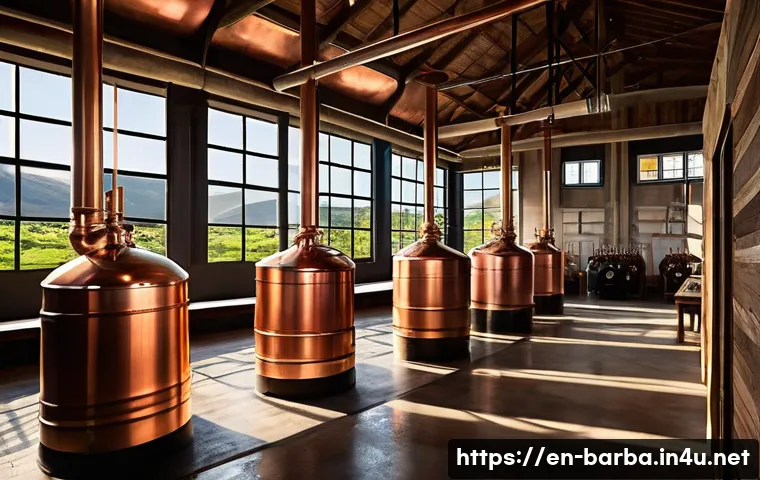
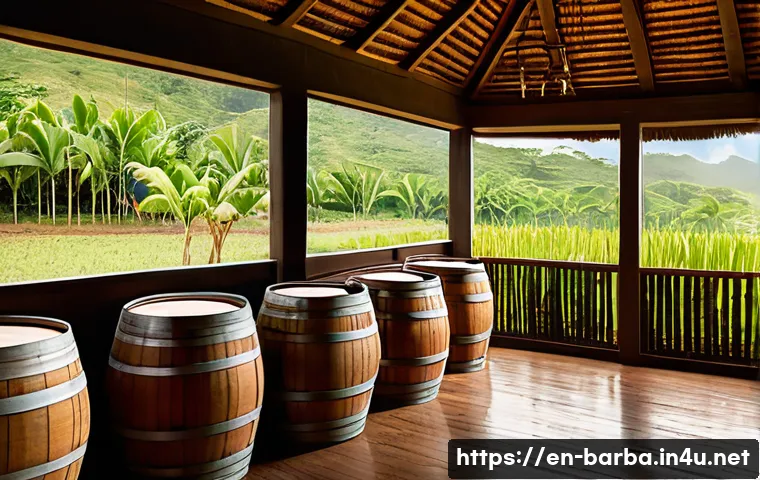
Even if we reduce or eliminate sugar production, we can still find alternative uses for sugar cane. For example, it can be used to produce rum, molasses, and other byproducts. It can also be used as a biofuel, which could help to reduce our reliance on fossil fuels. Exploring these alternative uses could help to revitalize the sugar industry and create new economic opportunities. I recently visited a distillery that’s using sugar cane to produce award-winning rum, and it’s a testament to the potential of this crop.
Tackling the Sargassum Seaweed Invasion
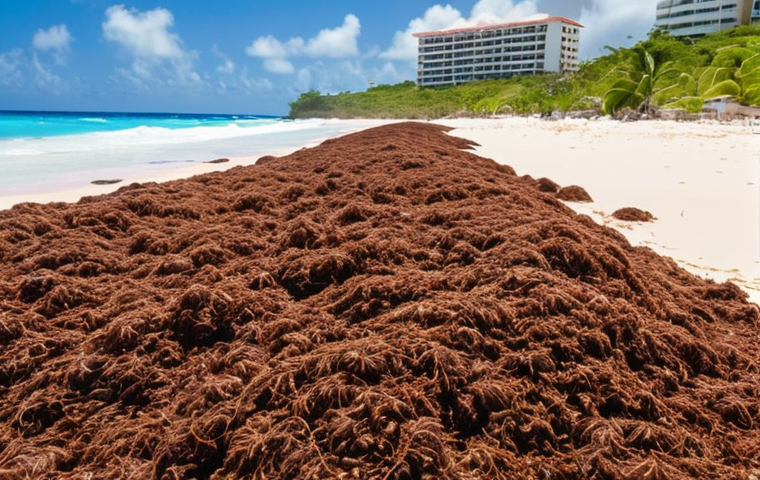
For the past several years, Barbados has been battling an invasion of Sargassum seaweed, which washes ashore in massive quantities and creates a host of problems. It smells terrible, it’s unsightly, and it disrupts tourism and fishing. The seaweed also decomposes, releasing harmful gases that can pose a health risk. The government and local communities have been working hard to clean up the beaches, but it’s a constant battle. I’ve seen firsthand the devastation that Sargassum can cause. Beaches that were once pristine and inviting are now covered in piles of rotting seaweed. It’s heartbreaking to see, and it’s having a major impact on our economy. We need to find long-term solutions to this problem, such as developing ways to harvest and utilize the seaweed before it reaches our shores. There are also some promising research initiatives looking into the causes of the Sargassum blooms, which could help us to prevent future invasions.
1. The Impact on Tourism
Sargassum seaweed has a devastating impact on tourism, as it makes beaches unusable and creates an unpleasant odor. Tourists are less likely to visit Barbados if they know that the beaches are covered in seaweed, and this can lead to a decline in tourism revenue. We need to find ways to mitigate the impact of Sargassum on tourism, such as cleaning up the beaches more frequently and providing alternative activities for tourists. Some hotels have invested in specialized equipment to remove the seaweed from their beaches, but this is an expensive solution that’s not accessible to everyone.
2. Potential Uses for Sargassum
Instead of just seeing Sargassum as a nuisance, we should explore its potential uses. It can be used as a fertilizer, as animal feed, and even as a biofuel. There are several companies that are experimenting with using Sargassum to create new products, and this could help to turn a problem into an opportunity. I’ve heard about researchers who are developing ways to extract valuable chemicals from Sargassum, which could be used in pharmaceuticals and cosmetics. This could create new industries and jobs in Barbados.
3. Regional Cooperation
Sargassum is not just a problem for Barbados; it’s a problem for the entire Caribbean region. That’s why regional cooperation is essential to finding long-term solutions. We need to share information, resources, and best practices to tackle this problem effectively. The Caribbean Community (CARICOM) has been working to coordinate regional efforts to address the Sargassum crisis, but more needs to be done. We need to develop a comprehensive regional strategy that includes research, prevention, and mitigation measures.
Digital Nomad Visas: Opening Doors or Selling Out?
Barbados has recently introduced a digital nomad visa, which allows people from other countries to live and work remotely on the island for up to a year. The goal is to attract high-earning professionals who will spend money in the local economy and contribute to our society. However, some people are worried that this will drive up the cost of living, displace local workers, and change the character of Barbados. It’s a controversial policy that has sparked a lot of debate. I understand both sides of the argument. On the one hand, attracting digital nomads could bring new investment and create jobs. On the other hand, we need to ensure that this policy benefits all Barbadians, not just a select few. I’ve heard concerns from local businesses that they won’t be able to compete with the influx of foreign companies, and from residents who are worried about rising rents and property prices. We need to address these concerns and ensure that the digital nomad visa program is implemented in a way that’s fair and sustainable.
1. Economic Benefits
The digital nomad visa program could bring significant economic benefits to Barbados. Digital nomads tend to be high-earning professionals who will spend money on accommodation, food, transportation, and other goods and services. This could boost local businesses and create new job opportunities. However, it’s important to ensure that these benefits are distributed equitably across the economy. We need to encourage digital nomads to support local businesses and to integrate into the community.
2. Potential Drawbacks
There are also potential drawbacks to the digital nomad visa program. One concern is that it could drive up the cost of living, making it more difficult for locals to afford housing and other necessities. Another concern is that it could displace local workers, as foreign companies may prefer to hire digital nomads over local employees. We need to monitor these potential drawbacks and take steps to mitigate them. This could include implementing rent controls, providing job training for local workers, and ensuring that foreign companies comply with local labor laws.
3. Long-Term Sustainability
For the digital nomad visa program to be successful in the long term, it needs to be sustainable. This means that it needs to benefit both the digital nomads and the local community. We need to create a welcoming and inclusive environment for digital nomads, while also protecting the interests of local residents. This requires careful planning, open communication, and a willingness to adapt to changing circumstances. We need to be prepared to adjust the program as needed to ensure that it continues to benefit Barbados in the long term.
The Push for a Republic: Symbolism vs. Substance
Barbados recently transitioned to a republic, replacing the Queen of England as our head of state with a Barbadian president. This was a historic moment for our country, symbolizing our independence and our commitment to self-determination. However, some people argue that the transition was purely symbolic and that it didn’t address the underlying issues facing Barbados. They believe that we need to focus on addressing poverty, inequality, and other social and economic challenges. It’s a debate about whether symbolism is enough or whether we need to focus on substance. I personally believe that both are important. The transition to a republic was a significant step forward, but it’s just the beginning. We need to build on this momentum and create a more just and equitable society for all Barbadians. We need to ensure that everyone has access to education, healthcare, and economic opportunities.
1. The Symbolism of Independence
Becoming a republic was a powerful symbol of independence and self-determination. It signaled to the world that Barbados is a sovereign nation that is in control of its own destiny. This can boost national pride and strengthen our identity as Barbadians. However, symbolism alone is not enough. We need to translate this symbolism into concrete action. We need to use our newfound independence to address the challenges facing our country and to create a better future for all Barbadians.
2. Addressing Underlying Issues
Some people argue that the transition to a republic was a distraction from the real issues facing Barbados, such as poverty, inequality, and unemployment. They believe that we should have focused on addressing these issues before changing our form of government. While I agree that these issues are important, I don’t believe that they are mutually exclusive. We can celebrate our independence while also working to address the challenges facing our society. In fact, becoming a republic may give us more leverage to address these issues, as we are no longer beholden to the British monarchy.
3. The Path Forward
The transition to a republic is a milestone, but it’s not the end of the journey. We need to continue to build on this momentum and create a more just and equitable society for all Barbadians. This requires a collective effort from the government, the private sector, and civil society. We need to work together to address the challenges facing our country and to create a brighter future for generations to come. I believe that Barbados has the potential to be a model for other small island nations. We can show the world that it’s possible to achieve economic prosperity while also preserving our cultural heritage and protecting our environment.
The Cost of Paradise: Rising Living Expenses
While Barbados is known for its stunning beauty and relaxed lifestyle, it’s also becoming increasingly expensive to live here. The cost of food, housing, transportation, and other necessities has been rising steadily in recent years, making it difficult for many Barbadians to make ends meet. This is a major concern that needs to be addressed. I’ve seen firsthand how rising living expenses are impacting families and individuals. People are struggling to pay their bills, and many are forced to work multiple jobs just to survive. It’s not fair, and it’s not sustainable. We need to find ways to make Barbados more affordable for everyone. This could include implementing price controls, increasing wages, and providing subsidies for essential goods and services. We also need to address the underlying causes of rising living expenses, such as inflation and supply chain disruptions.
1. Housing Affordability
Housing is one of the biggest expenses for most Barbadians. The cost of rent and property has been rising rapidly in recent years, making it difficult for many people to afford a decent place to live. This is particularly true for young people and low-income families. The government needs to take steps to address housing affordability, such as building more affordable housing units, implementing rent controls, and providing subsidies for first-time homebuyers. We also need to explore innovative housing solutions, such as co-living and tiny homes.
2. Food Prices
The cost of food is another major concern for many Barbadians. Food prices have been rising steadily in recent years, making it difficult for people to afford a healthy diet. This is due to a variety of factors, including inflation, supply chain disruptions, and import tariffs. The government needs to take steps to address food prices, such as reducing import tariffs, supporting local farmers, and promoting sustainable agriculture. We also need to encourage people to grow their own food, even if it’s just a small herb garden on their balcony.
3. Transportation Costs
Transportation is another significant expense for many Barbadians. The cost of fuel, public transportation, and vehicle maintenance has been rising steadily in recent years, making it difficult for people to get around. The government needs to take steps to address transportation costs, such as investing in public transportation, promoting cycling and walking, and providing subsidies for fuel. We also need to explore alternative transportation options, such as electric vehicles and ride-sharing services.
| Policy Shift | Potential Benefits | Potential Drawbacks | Community Sentiment |
|---|---|---|---|
| Renewable Energy Push | Reduced reliance on fossil fuels, lower electricity bills, environmental benefits | High upfront costs, grid infrastructure challenges, intermittency issues | Mostly positive, but concerns about accessibility and grid stability |
| Digital Nomad Visa | Increased economic activity, new job opportunities, cultural exchange | Rising cost of living, displacement of local workers, changing cultural landscape | Divided, with some welcoming the economic benefits and others fearing the negative impacts |
| Republic Transition | Symbol of independence, strengthened national identity, greater self-determination | May not address underlying social and economic issues, potential for political instability | Mixed, with some celebrating the historic moment and others questioning its real impact |
| Sargassum Seaweed Invasion | Fertilizer for crops, raw material for biofuel | Damages tourism, fishing industries, creates health hazards | Generally concern, with some hoping for seaweed harvesting solution |
In Closing
Barbados is at a crossroads, facing significant challenges and opportunities. By engaging in open dialogue, exploring innovative solutions, and working together, we can shape a future that is both prosperous and sustainable, preserving the unique character of our island home for generations to come. The spirit of resilience and the warmth of our people are our greatest assets as we navigate these complex issues. Let’s strive to build a better Barbados for all.
Good to Know
1. Currency: The Barbadian dollar (BBD) is pegged to the US dollar at a rate of 2 BBD = 1 USD. Most businesses accept both currencies.
2. Tipping: Tipping is customary in Barbados. A service charge of 10-15% is often added to restaurant bills, but it’s always appreciated to leave an additional tip for excellent service.
3. Transportation: Public transportation is readily available in Barbados, with buses operating frequently along major routes. Taxis are also available, but be sure to negotiate the fare beforehand.
4. Weather: Barbados has a tropical climate with warm weather year-round. The dry season is from December to May, and the wet season is from June to November. Hurricane season runs from June to November.
5. Local Customs: Barbadians are generally friendly and welcoming people. It’s considered polite to greet people with a smile and a “good morning,” “good afternoon,” or “good evening.”
Key Takeaways
Tourism faces a shift towards authentic experiences, renewable energy adoption needs accessible incentives and grid modernization, the sugar industry requires innovation to balance heritage and economics, Sargassum seaweed demands regional cooperation and exploration of potential uses, and the digital nomad visa necessitates careful management to ensure equitable benefits.
Frequently Asked Questions (FAQ) 📖
Q: What specific policy shifts are causing this debate in Barbados?
A: From what I’ve gathered chatting with folks down at Baxter’s Road and following the news closely, there are two biggies. First, there’s been a push for increased tourism development, with new luxury resorts popping up along the coastline.
While some see this as bringing in much-needed revenue, others worry about the impact on local access to beaches and the potential displacement of smaller, family-run businesses.
Secondly, there are rumblings about changes to the tax structure, supposedly aimed at attracting foreign investment, but locals are concerned it could disproportionately affect small business owners and everyday Bajans.
I’ve heard folks complaining that it feels like the island is being sold off piece by piece.
Q: What are the potential benefits of these policy shifts, and who stands to gain the most?
A: Look, there’s always two sides to every coin, right? Those in favor of the development argue that it’ll bring jobs, boost the economy, and attract more tourists, which is good for everyone in the long run.
The big hotel chains and developers, of course, stand to profit immensely. The government also hopes to see an increase in tax revenue, which could be used to improve infrastructure and public services.
I’ve even heard some argue that it’ll modernize Barbados and bring it more in line with global standards. But me? I’m always a bit skeptical of promises that sound too good to be true.
Q: What are the major concerns and potential negative consequences of these policy shifts on the Bajan community and culture?
A: This is where things get tricky. A lot of Bajans worry about losing the unique character of the island. They fear that the influx of luxury tourism will drive up prices, making it harder for locals to afford housing and basic necessities.
There’s also a concern that the traditional Bajan way of life – the close-knit communities, the vibrant culture, the love of cricket and dominoes – will be eroded by the homogenization that often comes with globalization.
I’ve personally seen some of my favorite local spots replaced by fancy restaurants catering to tourists, and it breaks my heart. People are worried about becoming strangers in their own land, and honestly, I share that fear.
📚 References
Wikipedia Encyclopedia
구글 검색 결과
구글 검색 결과
구글 검색 결과
구글 검색 결과