Barbados, nestled in the sparkling waters of the Caribbean, is a vibrant island where culture thrives in every corner. From its lively festivals to its rich culinary traditions, the island offers a unique blend of African, British, and indigenous influences that shape daily life.
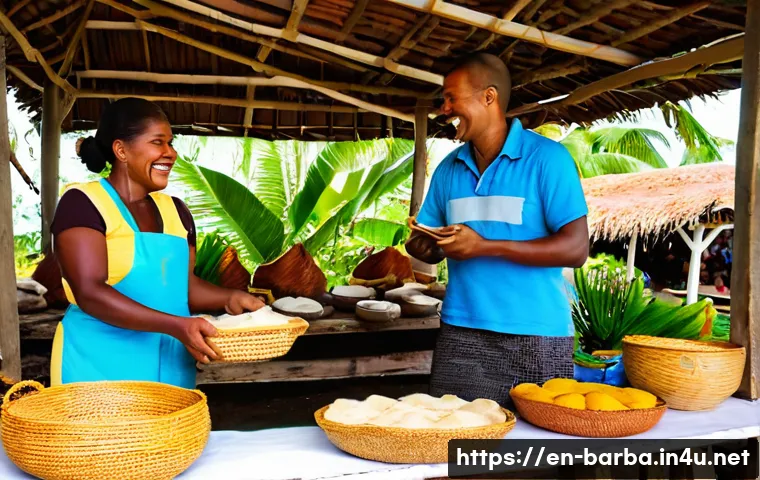
Understanding these cultural nuances not only enriches your travel experience but also deepens your appreciation of Barbados’ warm and welcoming spirit.
Whether it’s the rhythm of calypso music or the customs surrounding social gatherings, each aspect reveals a story waiting to be explored. Let’s dive deeper to uncover what truly makes Barbadian culture so special and distinctive!
Island Rhythms and Musical Heritage
The Pulse of Calypso and Soca
Calypso and soca music are the beating hearts of Barbados’ cultural expression. Calypso, with its witty and often satirical lyrics, has long served as a voice for social commentary among Barbadians.
What I’ve noticed during local festivals is how these tunes bring people together, from the old-timers sharing stories to the younger crowd dancing with infectious energy.
Soca, a more modern, upbeat genre, often dominates Carnival celebrations, filling the air with rhythms that make it impossible not to move. Experiencing these live, you really feel the island’s vibrancy and its people’s resilience and joy.
Traditional Instruments and Dance
Beyond just the melodies, traditional instruments like the steelpan and the tambourine play a huge role in the Barbadian soundscape. I remember attending a local street party where the steelpan’s bright, metallic notes floated through the evening air, creating an atmosphere that felt both festive and deeply rooted in history.
Dance styles, from the energetic tuk band performances to the graceful, rhythmic movements of folk dances, reflect a blend of African and European influences.
These performances are more than entertainment; they’re living stories passed down through generations, embodying the island’s rich heritage.
Music as a Social Connector
Music in Barbados isn’t just for performance—it’s a social glue. Whether in informal gatherings or grand events like Crop Over, music shapes social interaction.
Locals often use it as a way to express identity, share community news, or simply enjoy life’s moments together. I found that joining in on a community jam session or a dance circle instantly bridges gaps between strangers, creating a shared experience that’s hard to find elsewhere.
Savoring the Flavors: Barbadian Cuisine
Roots in African and British Traditions
Barbadian cuisine is a flavorful journey through its colonial past and African heritage. Dishes like cou-cou and flying fish are iconic, combining local ingredients with cooking methods brought over centuries ago.
When I first tasted the peppery, flaky flying fish paired with creamy cou-cou, it was clear how much pride locals take in preserving these recipes. The food tells a story of adaptation and survival, mixing indigenous ingredients like okra and breadfruit with spices introduced through trade and migration.
Street Food and Everyday Delights
Street food culture in Barbados is vibrant and diverse. Vendors selling fried fish cakes, cassava bread, or sweet coconut bread create a tapestry of tastes that locals and visitors alike crave.
I’ve often found myself grabbing a quick “pudding and souse” from a roadside stall—a tangy, pickled pork dish with spicy seasoning—perfect for a satisfying snack that’s deeply embedded in island tradition.
These foods are more than just meals; they’re an accessible window into daily life and social customs.
Celebrations Through Food
Festivals like Crop Over aren’t just about music—they’re also a feast for the senses. The food stalls during these events overflow with traditional delicacies, from spicy curries to sweet treats like tamarind balls.
Sharing meals during these celebrations is a communal act, reinforcing bonds and cultural pride. I’ve noticed how food often sparks conversations, laughter, and storytelling, making it an essential ingredient to the island’s festive spirit.
Festivals: The Heartbeat of Community Life
Crop Over Festival: A Cultural Extravaganza
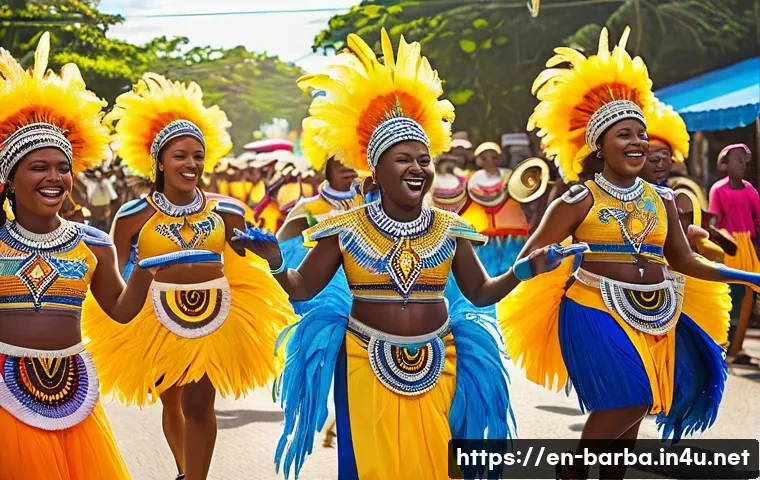
Crop Over is undoubtedly the crown jewel of Barbados’ festival calendar. Originally a harvest celebration, it now spans weeks of music, dance, and colorful parades.
Participating in Crop Over firsthand gave me a profound sense of how deeply this event is woven into Barbadian identity. The elaborate costumes and joyful crowds are not just spectacle—they’re a testament to resilience, history, and the island’s unbreakable communal spirit.
Smaller Festivals and Their Unique Flavors
While Crop Over steals the spotlight, smaller festivals like the Holetown Festival or the Oistins Fish Festival also showcase the island’s cultural diversity.
These events highlight local crafts, food, and traditions in a more intimate setting. Attending these, I got to engage with artisans and fishermen who generously shared their stories, revealing the layers of meaning behind each tradition and how they contribute to the island’s collective identity.
Community Involvement and Tradition
What stands out in Barbadian festivals is the level of community involvement. From the planning committees to street performers, almost everyone participates in some way.
This collective effort strengthens social ties and ensures traditions are passed on. I observed how elders mentor younger generations in dance and music, ensuring these cultural expressions don’t just survive but thrive.
Language and Communication Styles
Barbadian English and Dialect
The way Barbadians speak is a fascinating blend of English and Creole influences. Bajan dialect, with its unique rhythm and vocabulary, is not just a means of communication but a cultural marker.
When I first tried to mimic the cadence, locals smiled and appreciated the effort—it’s a linguistic badge of identity that fosters a sense of belonging and pride.
Storytelling Traditions
Oral storytelling remains a cherished tradition. Whether through folktales or everyday anecdotes, Barbadians use storytelling to pass down wisdom, humor, and history.
I remember sitting around a bonfire where an elder’s animated stories captivated everyone, blending humor with lessons on life and heritage. This oral culture enriches social bonds and keeps history alive in a personal, engaging way.
Communication in Social Settings
Social interactions in Barbados are often warm and informal, with a strong emphasis on politeness and respect. Greetings are lengthy and sincere, involving inquiries about family and health.
I found this approach refreshing—it creates a welcoming atmosphere and reinforces community values. Even casual conversations often carry layers of meaning and connection, reflecting the island’s relational culture.
Social Customs and Community Bonds
Respect for Elders and Family Ties

Barbadian society places great importance on respecting elders and maintaining close family connections. It’s common to see multiple generations living together or supporting each other in daily life.
From personal experience, I noticed how elders are consulted on important decisions and how their wisdom is valued. This respect extends beyond family, influencing social etiquette and community interactions.
Hospitality and Welcoming Attitudes
Hospitality in Barbados goes beyond mere politeness—it’s a heartfelt openness that visitors can feel instantly. Locals often invite guests into their homes or share meals, eager to showcase their culture and make others feel at home.
I experienced this warmth firsthand, and it made my stay not just comfortable but genuinely enriching, turning strangers into friends.
Community Events and Mutual Support
Community gatherings, whether church socials, fundraisers, or neighborhood parties, are vital to Barbadian life. These events foster solidarity and mutual aid.
For example, during difficult times, neighbors come together to support one another, reflecting a deep-rooted culture of care. This collective spirit is palpable and one of the island’s most admirable traits.
Religious Influence and Spiritual Life
Diverse Religious Landscape
Barbados is home to a variety of religious beliefs, predominantly Christianity, but also including Hinduism, Islam, and Rastafarianism. This diversity shapes the island’s cultural fabric.
I visited several places of worship and witnessed how faith plays a central role in community cohesion and personal identity, influencing festivals, rituals, and daily routines.
Religious Festivals and Practices
Religious events often overlap with cultural celebrations, blending spiritual and social elements. Easter and Christmas are celebrated with special church services and community feasts, while Rastafarian gatherings emphasize music and meditation.
These practices offer insight into how spirituality enriches life on the island, providing comfort and fostering unity.
Faith as a Source of Strength
From my conversations with locals, it’s clear that faith provides resilience and hope, especially in times of hardship. Religious communities often extend support through charitable activities and counseling, reinforcing social bonds.
This spiritual dimension adds depth to the island’s culture, reminding visitors that beyond its scenic beauty lies a people deeply connected through belief.
Barbadian Art and Craft Traditions
Vibrant Visual Arts Scene
Barbadian artists draw inspiration from the island’s landscapes, history, and daily life. I explored galleries where paintings and sculptures vividly capture the island’s spirit—bright colors, bold patterns, and themes reflecting identity and heritage.
Supporting local art not only enriches your travel experience but also connects you to the creative pulse of Barbados.
Handicrafts and Cultural Symbols
Traditional crafts like basket weaving, pottery, and embroidery preserve ancestral skills. Markets across the island showcase these handmade goods, each item telling a story of craftsmanship and cultural pride.
I’ve picked up unique souvenirs that doubled as conversation starters, revealing the depth of meaning behind each piece.
Art as a Medium of Storytelling
Art in Barbados isn’t just decorative—it’s narrative. Many artists use their work to comment on social issues, celebrate heritage, or explore personal identity.
This storytelling through art adds a layer of complexity and invites viewers to engage with the island’s culture on a deeper level, beyond surface impressions.
Summary of Key Cultural Elements
| Aspect | Description | Examples |
|---|---|---|
| Music | Blend of African and European influences; social and celebratory role | Calypso, Soca, Steelpan, Tuk bands |
| Cuisine | Rich fusion of local ingredients and colonial heritage | Flying fish & cou-cou, pudding and souse, street food snacks |
| Festivals | Community-driven events celebrating history and harvest | Crop Over, Holetown Festival, Oistins Fish Festival |
| Language | Distinctive Bajan dialect and oral storytelling traditions | Creole expressions, folktales, warm conversational style |
| Social Customs | Strong family ties, respect for elders, hospitality | Multi-generational households, community gatherings |
| Religion | Diverse faiths influencing culture and community support | Christianity, Rastafarianism, religious festivals |
| Art | Vibrant visual arts and traditional crafts as cultural expression | Paintings, sculptures, basket weaving, pottery |
In Conclusion
Barbados offers a rich tapestry of culture, from its vibrant music and flavorful cuisine to its heartfelt festivals and warm community spirit. Experiencing these traditions firsthand reveals an island deeply proud of its heritage and resilient in its joy. Whether through the rhythms of soca or the stories told around a bonfire, Barbados invites you to connect, celebrate, and savor every moment.
Useful Information to Remember
1. Music is central to Barbadian culture, with calypso and soca shaping social and festive life.
2. Traditional foods like flying fish with cou-cou and street snacks provide a delicious glimpse into local history and daily life.
3. Festivals such as Crop Over are key to community identity, blending history, music, and vibrant celebration.
4. The Bajan dialect and storytelling traditions are essential in expressing identity and preserving culture.
5. Hospitality and respect for elders highlight the strong social bonds that define Barbadian society.
Key Takeaways
Understanding Barbados means appreciating its unique blend of African and European influences expressed through music, food, and festivals. The island’s strong emphasis on community, respect, and spirituality creates a welcoming environment that sustains its cultural legacy. For visitors and locals alike, embracing these customs fosters meaningful connections and a deeper appreciation of Barbados’ enduring spirit.
Frequently Asked Questions (FAQ) 📖
Q: What are some key cultural festivals in Barbados that visitors should experience?
A: Barbados is famous for its vibrant festivals, with Crop Over being the most iconic. This summer festival celebrates the end of the sugar cane harvest with colorful parades, calypso competitions, and traditional music.
Another significant event is the Holetown Festival, marking the island’s first English settlement, featuring historical reenactments, craft fairs, and local food.
Experiencing these festivals firsthand offers a deep dive into Barbadian culture, showcasing the island’s joyful spirit and strong community ties.
Q: How does Barbadian cuisine reflect the island’s cultural influences?
A: Barbadian cuisine is a delicious fusion of African, British, and indigenous flavors, creating a unique culinary identity. Dishes like flying fish and cou-cou highlight local ingredients, while the use of spices and cooking methods reveals African roots.
British influence appears in comfort foods like pudding and souse, and indigenous practices are seen in the preparation of fresh seafood and tropical fruits.
Trying these dishes in local eateries or street food stalls allows you to taste the island’s history and cultural blend in every bite.
Q: What role does music play in Barbadian culture, and what styles should visitors listen to?
A: Music is the heartbeat of Barbados, deeply woven into daily life and celebrations. Calypso and soca music dominate festivals, known for their upbeat rhythms and storytelling lyrics that often touch on social and political themes.
Additionally, tuk music, which blends African drumming with European instruments, offers a traditional sound unique to Barbados. Listening to these styles, whether live at a local event or through recordings, provides insight into the island’s cultural expression and the warmth of its people.