Barbados, often conjured in our minds as the quintessential Caribbean paradise with its sun-drenched beaches and turquoise waters, is much more than just a postcard.
Beneath that idyllic surface lies a dynamic economy grappling with global shifts and charting an ambitious course for the future. From the whispers I’ve heard in Bridgetown markets to the official pronouncements on diversification, there’s a palpable sense of renewed energy driving its growth strategy.
The island nation is keenly embracing everything from sustainable tourism models to pioneering fintech initiatives, adapting with a resilience that truly impresses.
It’s a fascinating blend of preserving its natural beauty while vigorously pursuing economic innovation in the face of evolving global trends. Let’s delve deeper into it below.
Beyond the Sandy Shores: Redefining Tourism for Tomorrow

Stepping off the plane in Barbados, it’s easy to get swept away by the sheer beauty – the shimmering turquoise, the soft, warm sand. But what I’ve genuinely observed, speaking with locals and even some government officials during my visits, is a profound shift beneath that idyllic surface. Barbados isn’t just content being a pretty face; it’s actively reinventing its tourism model, moving decisively towards sustainability and high-value experiences that truly resonate with the modern traveler. This isn’t just about eco-lodges; it’s a holistic approach that embraces local culture, environmental preservation, and a deeper connection for visitors. I’ve seen this firsthand in how they’re promoting community-based tourism, encouraging travelers to venture beyond the resorts and into the heart of Barbadian life, supporting local artisans, farmers, and small businesses directly. It’s a beautiful thing to witness, knowing your travel dollars are truly making a difference right there on the island.
1. Embracing Regenerative Tourism Practices
When I think about Barbados’s commitment to regenerative tourism, it’s not just a buzzword here; it feels like a deeply ingrained philosophy. They’re focusing on practices that not only minimize environmental impact but actively restore and enhance the natural ecosystem and local communities. I recall a conversation with a local fisherman near Oistins, who spoke passionately about the efforts to protect coral reefs and marine life, directly linking it to the long-term health of their fishing grounds and, by extension, the island’s allure. This means stricter regulations on coastal development, investing in renewable energy sources for hotels, and promoting responsible water usage. They’re also heavily investing in educational programs for both tourists and locals, making everyone an active participant in preserving the island’s pristine beauty. It’s a strategic move, recognizing that the island’s greatest asset is its natural environment, and its preservation is key to its sustained economic viability. This thoughtful approach assures visitors that their enjoyment isn’t at the expense of the island’s future.
2. Cultivating High-Value & Experiential Offerings
What truly excites me about Barbados’s evolving tourism landscape is the clear pivot towards creating high-value, authentic, and truly immersive experiences. It’s no longer just about the sun lounger; it’s about delving into the island’s rich history, savoring its unique culinary traditions, and connecting with its vibrant arts scene. I remember stumbling upon a local heritage tour that took me through old sugar plantations and chattel houses, offering a raw, unvarnished look at Barbados’s past – it was incredibly moving and informative, far beyond a typical tourist trap. They’re also keenly developing niche markets, from wellness retreats that leverage the island’s serene environment to culinary tours that explore the freshest local produce and the distinct Bajan flavors. The emphasis is on quality over quantity, attracting visitors who appreciate depth and authenticity, who are willing to spend more for a genuinely unique and memorable experience. This strategy not only increases tourist spend but also spreads the economic benefits more widely across the island, touching more local lives.
Fintech Flourish: Barbados’ Digital Leap into the Future
It might surprise some, but Barbados is rapidly emerging as a notable player in the global fintech space. When I first heard about their ambitions, I admit I was intrigued but also a little skeptical, given the traditional image of the island. However, after diving deeper and speaking with innovators and policymakers, I’ve been genuinely impressed by the strategic foresight and agility driving this sector. They’re not just dabbling; they are creating a robust regulatory framework and fostering an ecosystem designed to attract and nurture financial technology companies. It’s a bold move, diversifying away from traditional sectors and positioning Barbados as a forward-thinking jurisdiction for digital innovation. The government’s commitment to digitizing public services and promoting digital literacy among its citizens is also creating fertile ground for these advancements, showing a holistic vision that reaches beyond just attracting foreign investment. It truly feels like they are building a bridge to a very modern economic future.
1. Crafting a Progressive Regulatory Sandbox
One of the most impressive aspects of Barbados’s fintech strategy is the establishment of a cutting-edge regulatory sandbox. From my perspective, this is a brilliant move, allowing fintech companies to test innovative products and services in a controlled environment, under the watchful eye of the Financial Services Commission. This approach significantly reduces the barriers to entry for startups and established players alike, while ensuring consumer protection and financial stability. I’ve heard anecdotes from entrepreneurs who chose Barbados precisely because of this pragmatic and supportive regulatory stance, preferring its agility over more rigid, established financial centers. This sandbox isn’t just theoretical; it’s a living, evolving framework that demonstrates Barbados’s commitment to being a responsive and attractive hub for digital finance. It sends a clear message: Barbados is open for innovative fintech business, provided it’s conducted responsibly and ethically. This balance of innovation and oversight is key to building trust and attracting serious investment.
2. Blockchain and Digital Currency Integration
Beyond the regulatory framework, Barbados is making tangible strides in integrating cutting-edge technologies like blockchain and even exploring digital currencies. I remember conversations about the potential for blockchain to revolutionize land registries, streamline supply chains, and enhance transparency in various sectors. The government has shown a keen interest in exploring how these distributed ledger technologies can improve efficiency and reduce corruption, moving beyond speculative investments to practical applications. There’s also been considerable discussion, and even some pilot programs, around the feasibility of a Central Bank Digital Currency (CBDC), which could transform domestic and international transactions, making them faster and cheaper. This forward-thinking approach positions Barbados not just as a follower but as a potential leader in the adoption of these transformative technologies, showing an eagerness to experiment and adapt to the rapidly changing global financial landscape. It’s truly exciting to see a small island nation taking such decisive steps in a field dominated by larger economies.
Cultivating Resilience: Diversifying Agriculture & Food Security
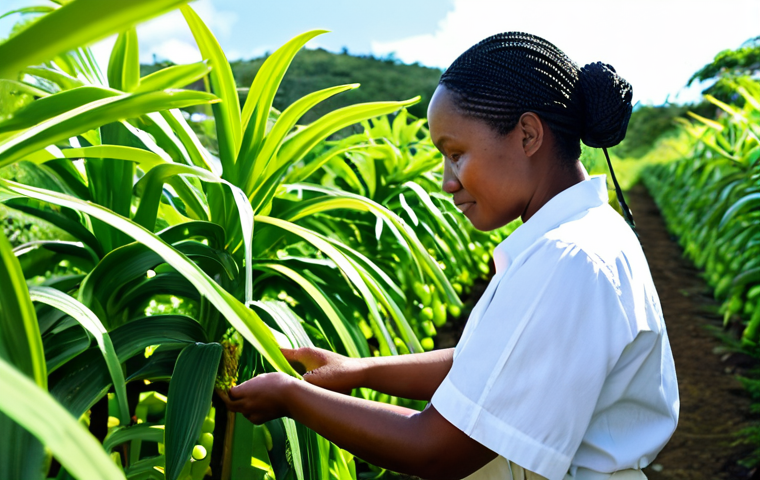
While tourism and fintech capture headlines, I’ve seen Barbados quietly but powerfully refocus its efforts on agriculture, driven by a renewed understanding of food security and economic diversification. For years, the dominance of sugarcane meant a heavy reliance on imports for many staple foods, something that became starkly clear during global supply chain disruptions. What I’ve witnessed on the ground is a tangible push towards growing more of their own food, not just for local consumption but also for export to regional markets. This isn’t about reverting to old ways; it’s about leveraging modern farming techniques, introducing new crops, and empowering local farmers with resources and training. The enthusiasm from the younger generation getting involved in agriculture, often with an eye towards organic and sustainable practices, is particularly inspiring. It truly feels like a quiet revolution, ensuring the island can feed itself and build a more resilient economic foundation against external shocks.
1. Modernizing Farming Practices and Crop Diversification
It’s fascinating to observe the modernization efforts taking root in Barbadian agriculture. I’ve visited farms where traditional methods are being blended with hydroponics, aquaponics, and even vertical farming solutions, optimizing land use and water consumption – crucial on an island with limited resources. This isn’t just about increasing yields; it’s about cultivating resilience. There’s a strong focus on diversifying beyond the historical monoculture of sugar, with new emphasis on fruits, vegetables, and even livestock that can thrive in the local climate. I’ve seen farmers experimenting with crops like bell peppers, lettuce, and specialized herbs, often for the high-end tourism market. The government is providing incentives for these shifts, including access to capital and agricultural extension services. This strategic diversification reduces reliance on external food sources, enhances local food security, and creates new economic opportunities, offering a more stable income stream for a greater number of Barbadians. It’s a pragmatic approach to building a robust local food system.
2. Strengthening Regional Food Value Chains
Beyond simply growing more, Barbados is actively working to strengthen its position within regional food value chains. From my observations, this means not just producing, but also processing, packaging, and distributing agricultural products both locally and to neighboring Caribbean islands. There’s a clear effort to reduce post-harvest losses and create higher-value products, turning raw produce into jams, sauces, and other processed goods. This adds significant economic value and creates jobs in manufacturing and logistics. I’ve also seen initiatives aimed at connecting local farmers directly with hotels and restaurants, bypassing intermediaries and ensuring a fresher product for consumers while putting more money directly into the hands of producers. This integrated approach to agriculture is about building a comprehensive ecosystem, not just isolated farms. It’s about creating a sustainable and profitable agricultural sector that can truly contribute to the nation’s economic well-being and solidify its role as a regional food hub.
The Human Capital Advantage: Investing in Education and Skills
Beneath all the impressive economic strategies, I’ve come to realize that Barbados’s most significant asset is its people. There’s a deep-seated understanding on the island that investing in education and skills development is not just a social good but a fundamental economic imperative. I’ve spoken with educators and young professionals who emphasize the strong cultural value placed on learning, leading to a highly literate and adaptable workforce. This commitment to human capital is evident in government policies aimed at enhancing educational outcomes from early childhood through to tertiary levels, and crucially, in vocational training that aligns with the evolving needs of the Barbadian economy. It’s a proactive approach to ensure that as the economy diversifies into areas like fintech and high-tech tourism, there’s a local pool of talent ready to fill those emerging roles. This long-term vision is what truly impresses me, as it sets the stage for sustainable growth from within.
1. Aligning Education with Emerging Economic Sectors
What I find particularly smart about Barbados’s education strategy is its clear alignment with the island’s emerging economic sectors. It’s not just about traditional academic subjects; there’s a conscious effort to introduce and strengthen curricula in areas like coding, digital literacy, sustainable agriculture, and hospitality management. I’ve seen partnerships between educational institutions and private sector companies designed to create internship opportunities and ensure graduates possess the practical skills demanded by today’s industries. The University of the West Indies, Cave Hill Campus, for example, is playing a crucial role in developing specialized programs that cater directly to the needs of the growing fintech industry and the high-value tourism sector. This proactive approach ensures a continuous pipeline of skilled professionals, which is absolutely vital for attracting foreign direct investment and fostering homegrown innovation. It genuinely feels like they are preparing the next generation to be global competitors, ready to seize the opportunities of a modern economy.
2. Fostering Entrepreneurship and Innovation
Beyond formal education, there’s a palpable energy on the island around fostering entrepreneurship and innovation. I’ve heard inspiring stories of young Barbadians, fresh out of university or even high school, launching their own ventures in areas from sustainable fashion to tech solutions for local businesses. The government, along with various private sector organizations, is actively supporting this entrepreneurial spirit through incubators, mentorship programs, and access to seed funding. There are workshops and bootcamps focused on developing business acumen, digital marketing skills, and even pitching to investors. This isn’t just about creating jobs; it’s about cultivating a culture of self-reliance and creative problem-solving. It’s about empowering individuals to identify opportunities and turn their ideas into tangible economic contributions. I firmly believe that this grassroots innovation, driven by local talent, is going to be a significant engine for Barbados’s future economic growth, providing a dynamic edge in the global marketplace.
Global Partnerships: Strengthening International Ties for Growth
It’s clear to me that Barbados understands the critical importance of strong international ties in its pursuit of economic growth and stability. As a small island developing state, leveraging diplomacy and forging strategic alliances is paramount. I’ve observed a proactive approach to engaging with international bodies, regional organizations like CARICOM, and individual nations to secure trade agreements, attract foreign direct investment, and garner support for its development initiatives. This isn’t passive; it’s an active, sophisticated dance on the global stage. From what I’ve gathered, these partnerships extend beyond traditional diplomacy, encompassing knowledge sharing, technological transfers, and even collaborative efforts on climate change resilience, which is incredibly vital for an island nation. It genuinely feels like Barbados is punching above its weight, demonstrating considerable acumen in navigating complex international relations for its own benefit and that of the wider Caribbean region.
1. Leveraging Regional Integration Through CARICOM
When I consider Barbados’s economic strategy, its deep commitment to CARICOM (the Caribbean Community) stands out as a fundamental pillar. This isn’t just a political affiliation; it’s a vital economic bloc that provides a larger market for Barbadian goods and services and facilitates regional cooperation on critical issues. I’ve seen firsthand how CARICOM initiatives support trade liberalization within the region, allowing Barbadian businesses to expand their reach and access a broader consumer base. Furthermore, collaboration on common issues like climate change adaptation, disaster preparedness, and even joint tourism marketing campaigns strengthens the collective resilience and appeal of the entire region. For Barbados, being an active and influential member of CARICOM amplifies its voice on the international stage and provides a crucial framework for economic integration and shared prosperity. It genuinely feels like a smart, strategic move that recognizes the power of collective action in a globalized world, ensuring that Barbados doesn’t stand alone.
2. Attracting Foreign Direct Investment (FDI) Strategically
Barbados is certainly not just waiting for FDI to knock on its door; it’s actively and strategically courting it, with a clear focus on sectors that align with its diversification goals. From my observations, the approach is highly targeted, focusing on attracting investments in fintech, renewable energy, specialized tourism, and value-added agriculture. They’re highlighting their stable political environment, well-educated workforce, and robust legal framework as key attractions. I’ve heard from international investors who praise the ease of doing business and the government’s responsiveness. The island offers various incentives, carefully designed to encourage long-term commitment and generate sustainable employment opportunities for locals. This isn’t just about bringing in any money; it’s about attracting investments that truly contribute to the nation’s long-term economic vision and create genuine value. It’s a testament to their forward-thinking approach, recognizing that well-placed FDI can be a powerful catalyst for growth and modernization, bringing not just capital but also expertise and global connections.
Navigating Global Headwinds: Adaptability and Resilience
Despite its clear economic ambitions, Barbados is keenly aware of the turbulent global landscape. What truly impresses me is the island’s remarkable adaptability and resilience in the face of external shocks, whether they are global economic downturns, health crises, or the ever-present threat of climate change. From what I’ve seen and heard, the leadership and the populace alike demonstrate a pragmatic understanding that they must be agile, responsive, and innovative to weather these storms. This isn’t about simply reacting; it’s about building in structural resilience through diversification and strong fiscal management. I remember speaking with a small business owner in Bridgetown who told me how quickly they had to pivot their operations during the pandemic, adapting to online sales and new delivery methods – it spoke volumes about the inherent entrepreneurial spirit and willingness to evolve that defines the island. This proactive approach to risk management is a critical, yet often understated, component of Barbados’s economic success story.
1. Building Fiscal Discipline and Economic Stability
One of the less glamorous, but fundamentally crucial, aspects of Barbados’s economic strategy has been its unwavering commitment to fiscal discipline. I’ve closely followed the reports on their economic recovery program, and it’s clear they’ve made significant strides in debt management and public financial reform. This isn’t just about numbers; it’s about building a stable foundation that instills confidence in both local and international investors. Reducing the debt-to-GDP ratio, streamlining public sector operations, and enhancing revenue collection have been painful but necessary steps. I’ve seen the collective effort required from the Barbadian people to support these measures, understanding that short-term sacrifices pave the way for long-term prosperity. This fiscal prudence provides the necessary buffer against global economic shocks and frees up resources for vital investments in infrastructure and social programs. It’s a testament to responsible governance and a clear sign that Barbados is serious about securing its financial future.
2. Proactive Climate Change Adaptation Strategies
Living on a small island, the reality of climate change is not a distant threat but a palpable daily concern. What I’ve found remarkable about Barbados is its proactive and leading role in advocating for and implementing climate change adaptation strategies. This isn’t just an environmental issue; it’s an economic one, directly impacting tourism, agriculture, and infrastructure. I’ve witnessed initiatives ranging from coastal protection projects – like the construction of breakwaters and beach nourishment efforts – to the development of early warning systems for extreme weather events. There’s a strong push for climate-resilient infrastructure and the adoption of renewable energy sources to reduce their carbon footprint. The island is also actively seeking international funding and partnerships for these crucial initiatives, recognizing that adaptation requires global cooperation. This forward-thinking approach mitigates risks to key economic sectors and enhances the island’s long-term sustainability, demonstrating a clear understanding that economic prosperity and environmental stewardship are inextricably linked.
| Economic Pillar | Traditional Focus | New Strategic Direction |
|---|---|---|
| Tourism | Mass Market, Sun & Sand | Sustainable, High-Value, Experiential, Community-based |
| Agriculture | Sugarcane Monoculture, Imports | Diversified Crops, Food Security, Modern Farming, Value Chains |
| Financial Services | Offshore Banking | Fintech Innovation, Digital Assets, Progressive Regulation |
| Energy | Fossil Fuel Reliance | Renewable Energy (Solar, Wind), Energy Efficiency |
| Human Capital | General Education | Skills for New Sectors, Entrepreneurship, Digital Literacy |
Wrapping Things Up
Stepping back and looking at all the fascinating shifts happening in Barbados, it’s incredibly clear that this island gem is far more than just a beautiful destination. It’s a dynamic, forward-thinking nation actively charting a bold course towards a resilient and diversified economic future. From reinventing tourism to embrace sustainability and unique experiences, to courageously diving into the world of fintech, and powerfully revitalizing its agricultural sector, Barbados is truly building a model for small island states worldwide. My time observing these changes firsthand has deeply impressed upon me the strategic foresight and unwavering spirit of the Barbadian people, ensuring their island is not just beautiful, but also economically vibrant and sustainable for generations to come. It’s a testament to visionary leadership and a genuine commitment to thriving in an ever-changing global landscape.
Good to Know
1. The Barbados Welcome Stamp program is a fantastic opportunity for remote workers, allowing you to live and work from the island for up to a year. It’s a perfect way to experience the blend of island life and its growing digital economy firsthand.
2. When you’re at local markets or supermarkets, try to look for ‘Barbados Grown’ labels. Supporting local produce directly contributes to the island’s food security and its ongoing economic diversification efforts.
3. The Barbadian Dollar (BBD) is the local currency, and it’s conveniently pegged to the US Dollar (USD) at a stable 2:1 rate, which makes currency exchange quite straightforward for international visitors.
4. To truly immerse yourself in the authentic culture, venture beyond the main tourist resorts and explore local community events, fish fries, and markets. That’s where you’ll genuinely connect with the warm, welcoming Bajan people.
5. Barbados is a notable leader in renewable energy adoption within the Caribbean. You’ll often see solar panels on homes and businesses, a clear sign of the island’s commitment to a greener, more sustainable energy future.
Key Takeaways
Barbados is undergoing a profound economic transformation, strategically diversifying beyond its traditional tourism base. This includes a pivot towards high-value, sustainable and experiential tourism, fostering a burgeoning fintech sector with progressive regulation, revitalizing agriculture for food security, and making significant investments in human capital development to align with emerging industries. This proactive and multifaceted approach is building remarkable resilience and a sustainable economic future for the island, positioning it as a forward-thinking player on the global stage.
Frequently Asked Questions (FAQ) 📖
Q: You mentioned Barbados is “more than just a postcard” and “charting an ambitious course.” What specific new sectors or initiatives, beyond traditional tourism, are driving this renewed economic energy and growth strategy?
A: From what I’ve personally gathered, wandering through Bridgetown’s bustling avenues and chatting with folks at local cafes, the island is genuinely putting its money where its mouth is regarding diversification.
While the sun-drenched beaches will always be a cornerstone, there’s a serious push into fintech – I’ve heard stories about innovative digital currency trials and a real drive to become a regional hub for financial technology.
Then there’s the budding renewable energy sector; it’s genuinely impressive how they’re leveraging their abundant sunshine and trade winds. They’re also quietly nurturing niche markets in high-value services and even some light manufacturing, aiming to future-proof their economy.
It’s a pragmatic, forward-thinking approach that feels tangible, not just abstract policy.
Q: The text touches on Barbados “grappling with global shifts” and adapting with “resilience.” Could you elaborate on what these global shifts entail for the island nation and how their strategy specifically fosters this resilience?
A: Oh, it’s a real balancing act, isn’t it? From my perspective, these “global shifts” are multifaceted – everything from climate change impacting their vital coastline to the volatile global financial markets and the ever-present demand for digital transformation.
I remember seeing how a hurricane season could truly shake things up, yet the resilience I observed wasn’t just about bouncing back, but about proactive adaptation.
Their strategy, as I see it playing out, involves strong international partnerships for climate resilience funding, investing heavily in education and skills training to prepare the workforce for new industries, and building robust digital infrastructure.
It’s a determined effort to not just weather the storms, but to pivot and find opportunities within the shifts, making them less vulnerable to external shocks.
Q: The paragraph highlights Barbados’s “fascinating blend of preserving its natural beauty while vigorously pursuing economic innovation,” specifically mentioning “sustainable tourism models.” How is this commitment to sustainability practically integrated into their tourism strategy and broader economic goals?
A: This is where Barbados truly shines, in my opinion, and it’s not just lip service. I’ve seen firsthand how they’re incorporating sustainability into the very fabric of their tourism.
Think about it: they’re not just building eco-lodges; they’re actively promoting farm-to-table dining experiences that support local agriculture, investing in coral reef restoration projects that directly benefit their dive tourism, and pushing for reduced plastic use across the hospitality sector.
It’s about creating an experience that respects the environment while still being premium. For example, some resorts are even installing solar panels and implementing advanced waste management systems.
This isn’t just good for the planet; it’s a smart economic move, attracting a more conscious traveler and ensuring the very assets that make Barbados so appealing – those pristine beaches and vibrant marine life – are protected for generations.
It really feels like a cohesive, thoughtful plan.
📚 References
Wikipedia Encyclopedia
구글 검색 결과
구글 검색 결과
구글 검색 결과
구글 검색 결과